For the person doing the work.
A permanent reset room, inside the office.
Zen Garden turns one room on your office floor into an everyday place to pause and settle. A resident Zen Expert keeps it ready. Your company receives weekly usage reporting without individual usage being reported to the employer.
Meet.Work.Eat.Reset.
The room has already entered these workplaces.
Each company shown here has had a Zen Garden in its building, permanent or temporary. Only named, sourced usage evidence is presented as measurement.












Meeting room.
Workstation.
Cafeteria.
Most offices are designed around work. Zen Garden is designed for the person doing it.
The programme ends. The workday continues.
A workshop can help. A wellbeing app can help. An EAP can help. But each asks an already depleted person to take another action, often away from the moment support is needed.
Zen Garden stays on the office floor, open through the working day, with someone responsible for keeping it usable.
See what keeps the room readyThis is the room.
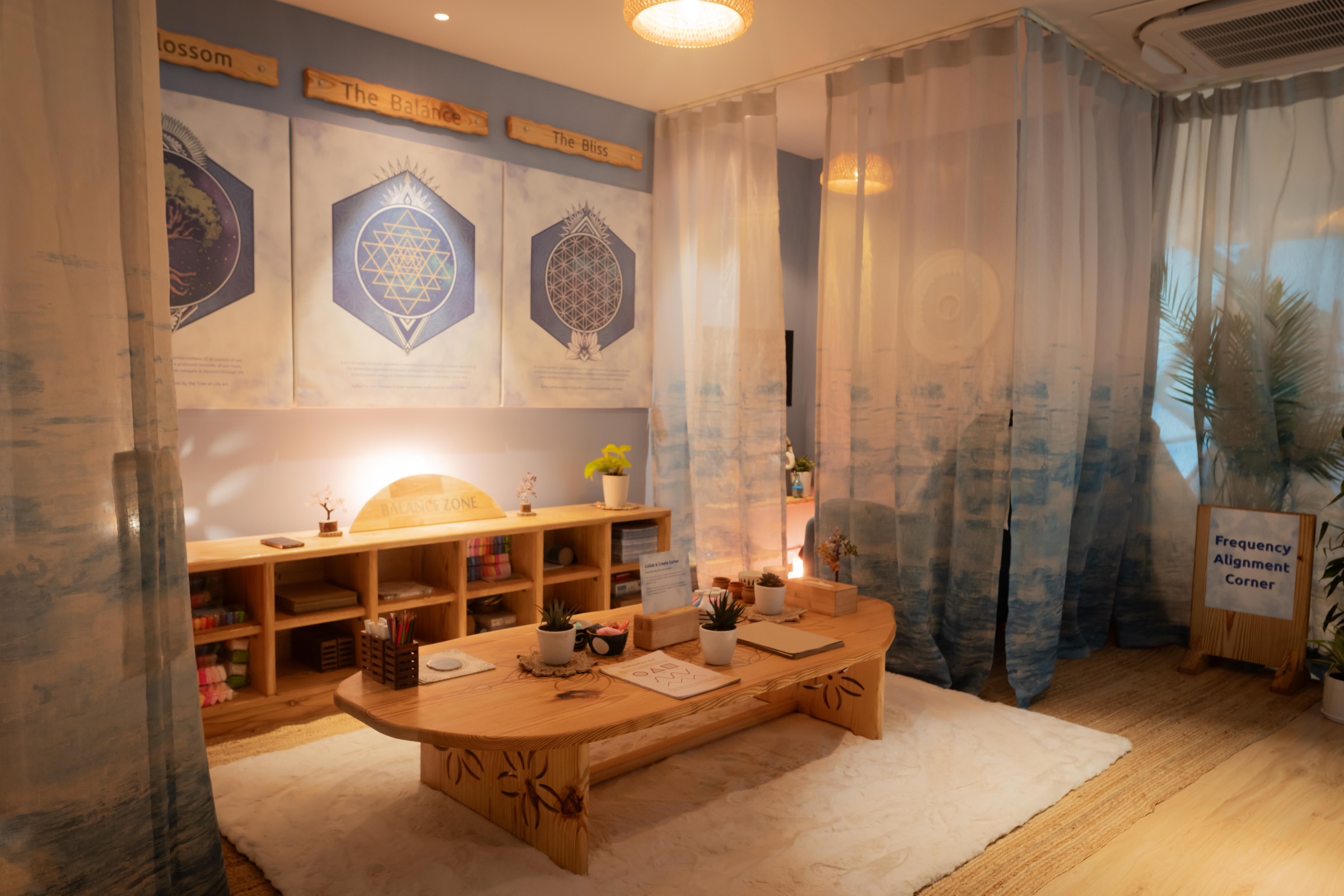
Four photographs of the working Zen Garden at EGL. Daylight, timber, quiet corners and practical tools, arranged inside an office building.
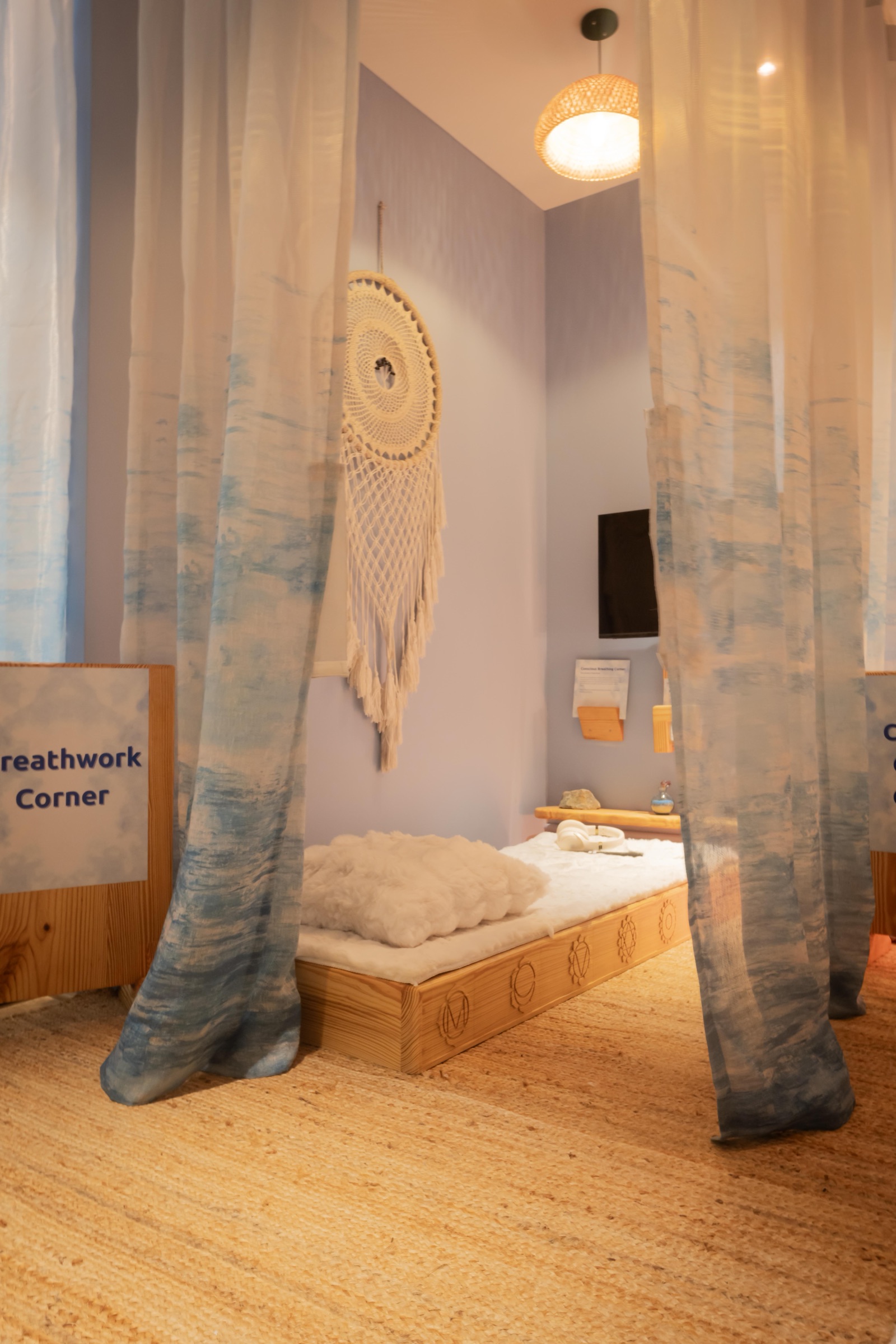
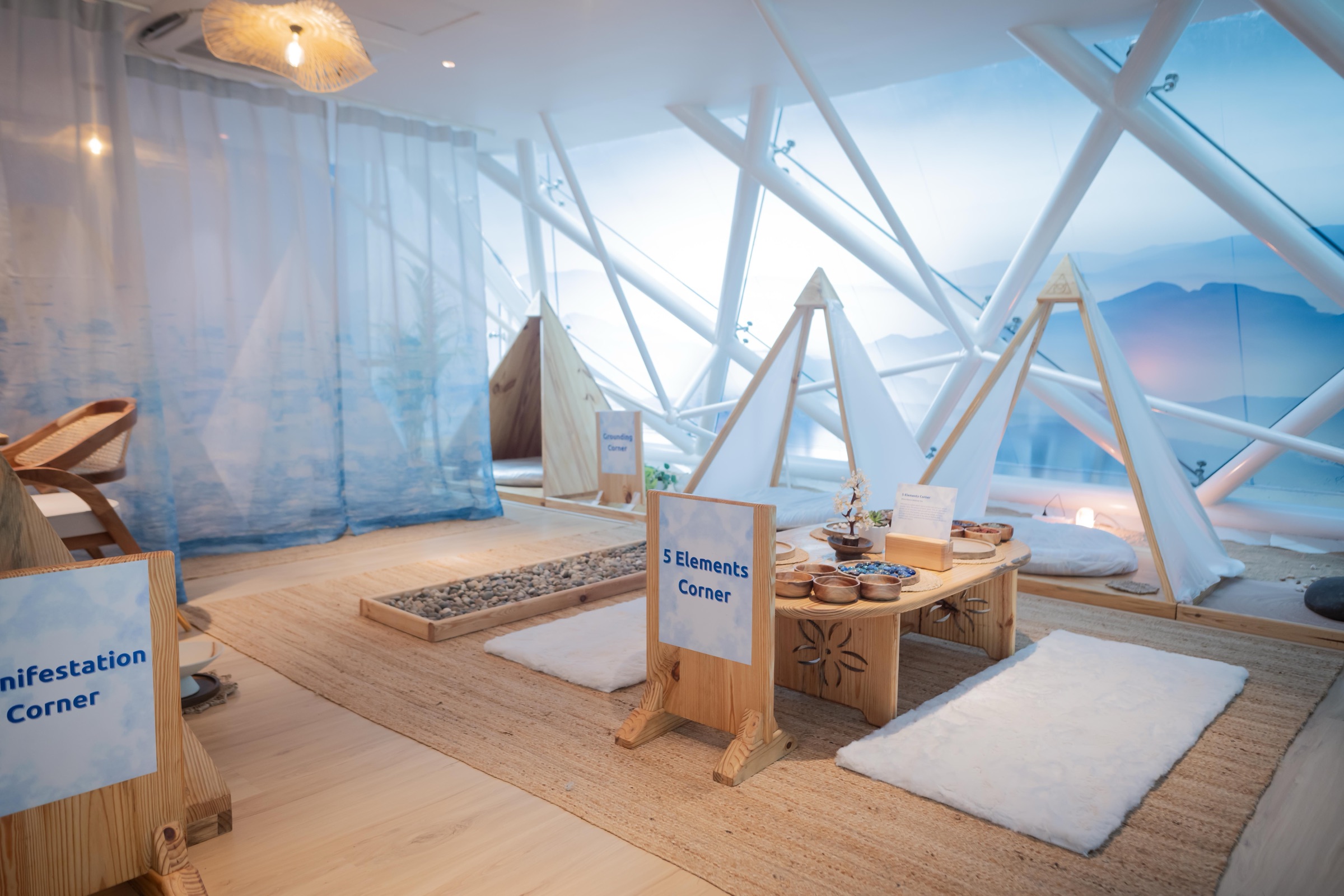
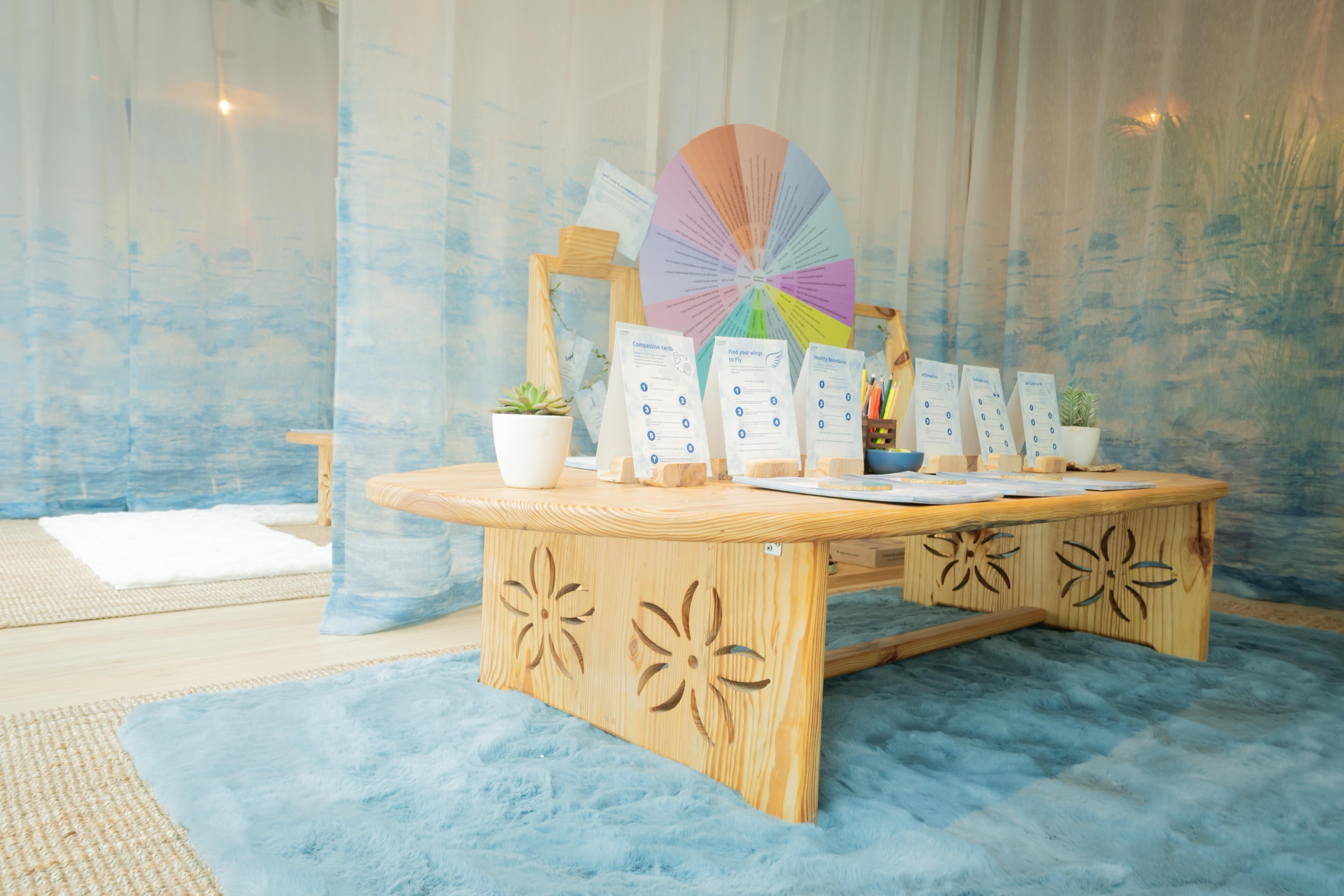
See the room before deciding what belongs on your floor.
Visit Zen Garden at EGL ↗The room is kept ready, every workday.
It is a working part of the office, with someone responsible for it after launch day.
- 01
There when the day becomes too much
The room stays on the office floor, close enough to use without making an event of it.
- 02
Looked after by a Zen Expert
A resident Zen Expert prepares the space and helps a visitor understand what is available in it.
- 03
A private visit, a clear count for the client
The Zen Expert records each visit, including a name and contact number. The employer receives counts, not information identifying an individual.
- 04
Clear reporting before launch day
What is counted, who receives it and how privacy is protected are agreed before the room goes live.
Three parts of one working room.
Balance · Blossom · Bliss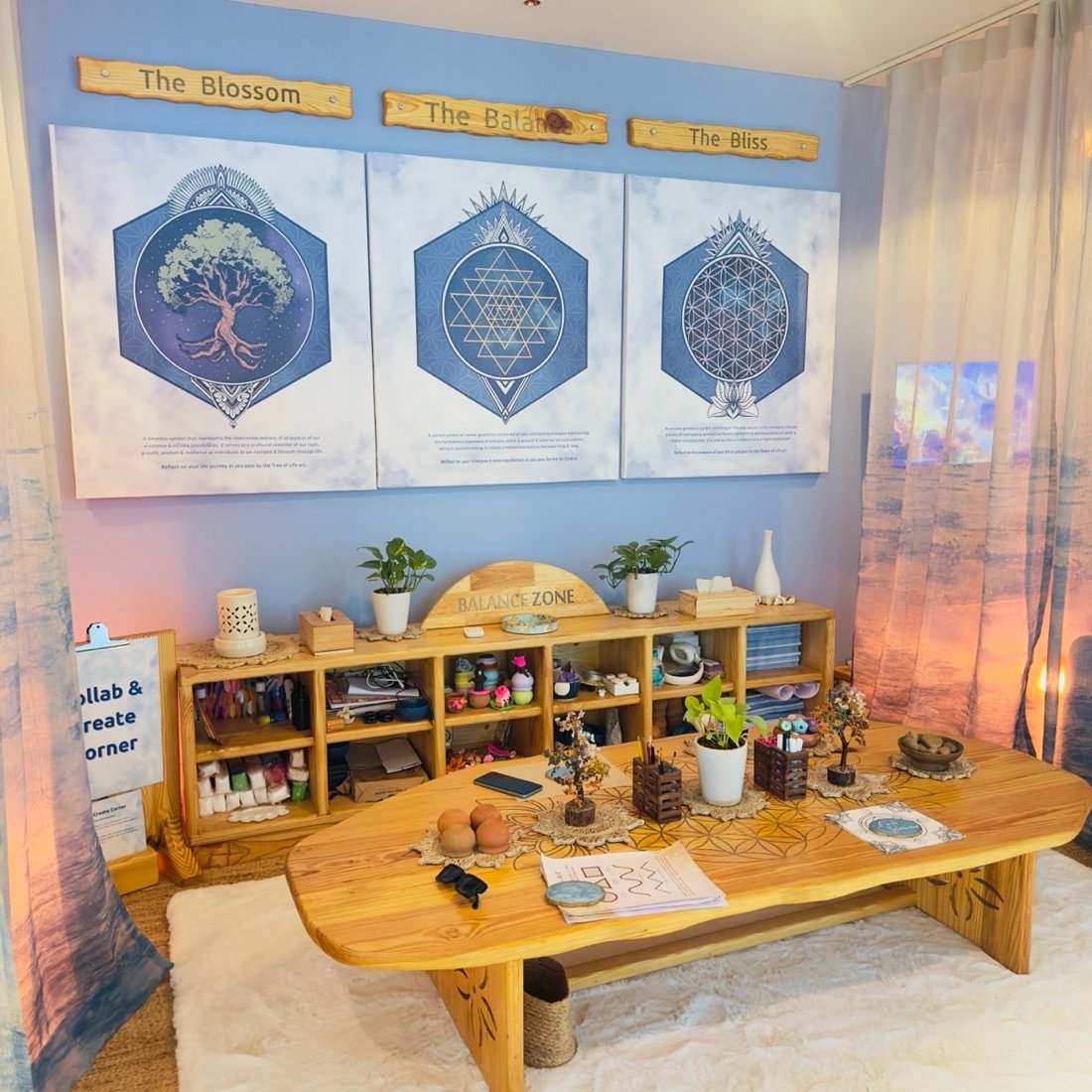
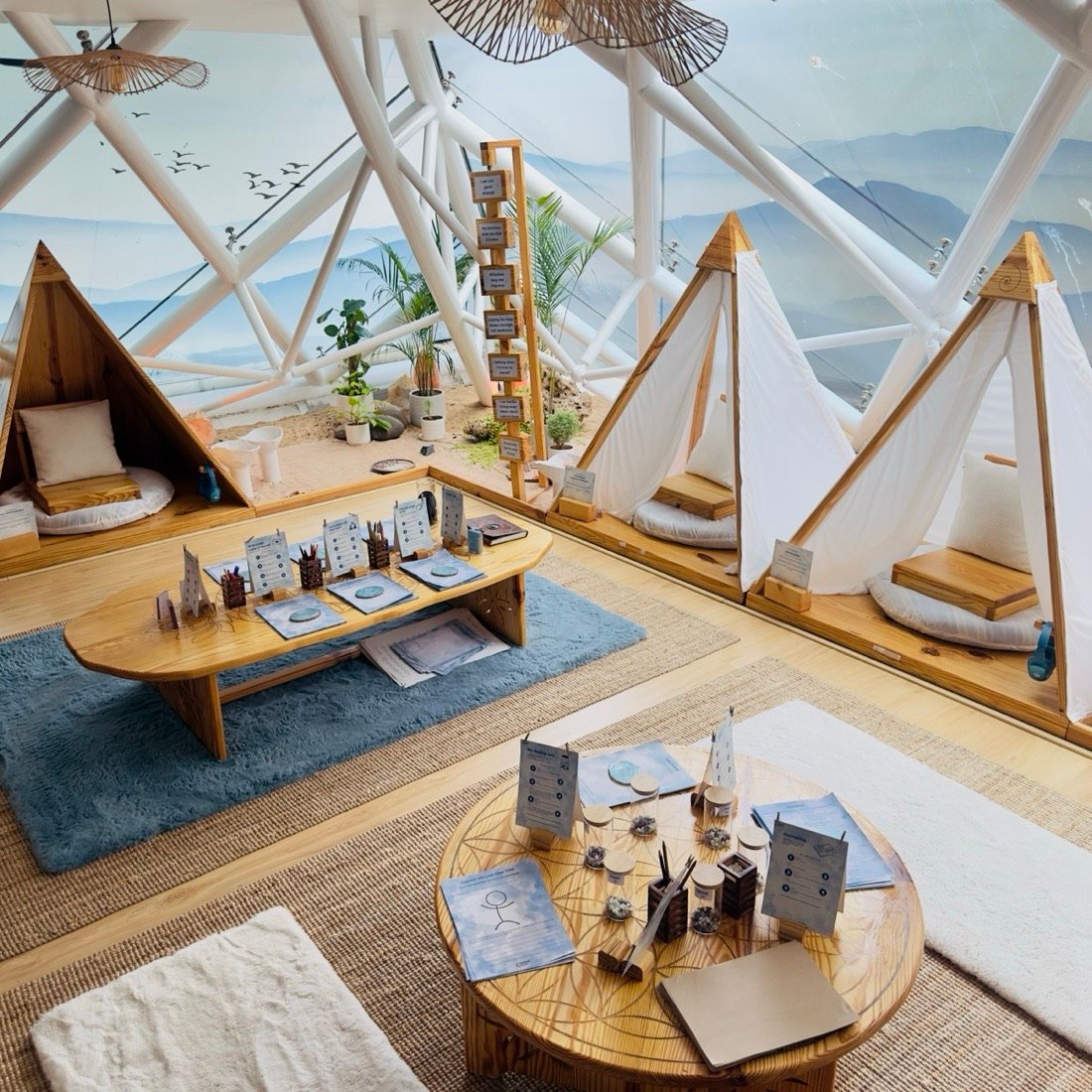
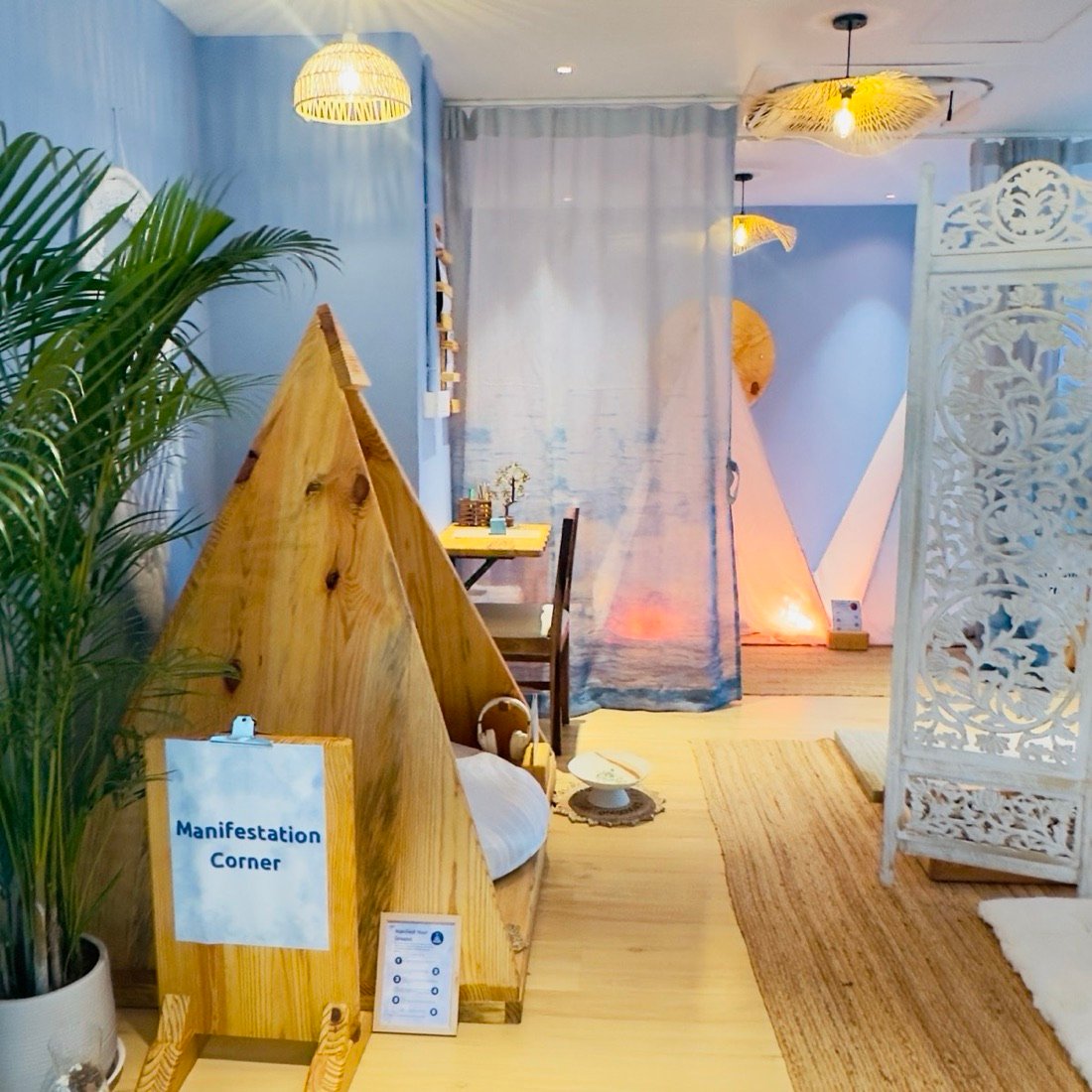
Walk through the room.
Two minutes inside the working Zen Garden at EGL.
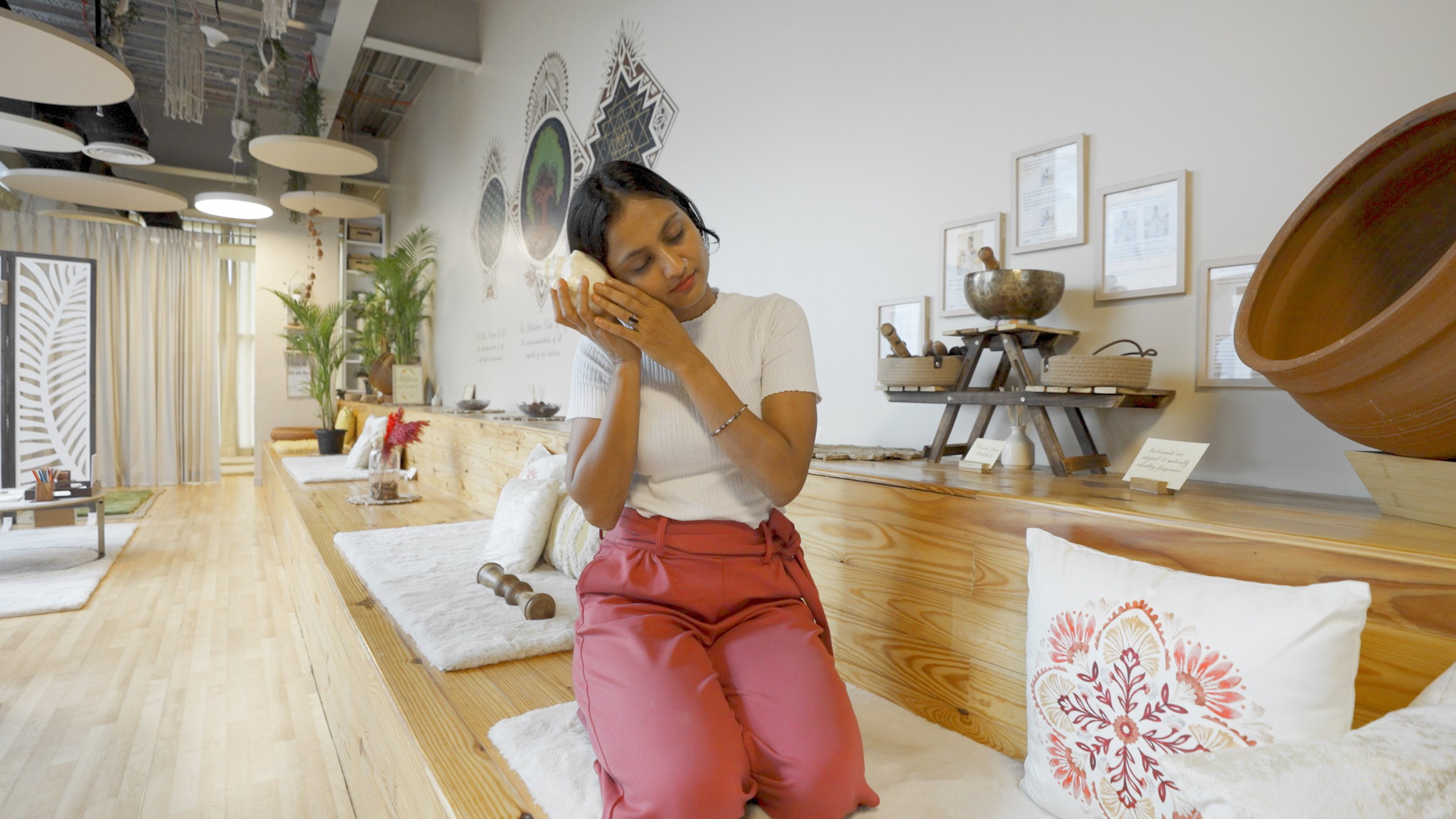
Evidence should survive the questions.
On one Flipkart Bengaluru floor, weekly visits rose from 47 in week one to 184 by month three.
These are visits to one room. They are not a forecast for another workplace and do not establish a health outcome.
See how a visit is countedWritten by the people who used the room.
These are real pages from the Zen Garden gratitude book. Open one here, then move through the book without leaving the page.
The next step is simple.
See the room before you make the case for it.
A page cannot answer the practical questions from your team. Visit the working room at EGL, then decide whether the next conversation should be about your floor, people and scope.
Take the idea into your next meeting.
Four useful ways to understand the room, share it internally and examine the question behind it.
Zariyaa’s founding proposition
The world’s first permanent mental and emotional reset room.
Zen Garden is built around a simple proposition: workplaces have rooms for work. This room is for the person doing it.

Built after years inside workplaces.
Keerti and Ronak Bohara built Zen Garden after bringing workplace programmes into offices and seeing what happens when a session ends but the workday continues.
Meet Zariyaa, the parent companySee the room. Then decide.
A room visit at EGL is the clearest place to start. Bring your people, workplace, facilities, legal or finance questions. If the idea still belongs on your floor, we can discuss a two-day trial.
Prefer email? keertibohara@zariyaa.in